
























10 Common Blood Clot in Leg Symptoms and When to See a Doctor
Leg pain or swelling might be more serious than you think. Learn about the 10 common blood clot in leg symptoms and when to see a doctor for urgent care.

Introduction
A mild cramp. A little swelling. Warm skin. These things can seem harmless until theyre not. Sometimes, the smallest change in your leg might be signaling something far more dangerous: a blood clot, also known as deep vein thrombosis (DVT).
Left untreated, DVT can lead to a pulmonary embolism, a life-threatening condition where the clot travels to your lungs. The good news? You can often catch it early if you know what to look for.
In this article, well explore the 10 common blood clot in leg symptoms and when to see a doctor, including the causes, risk factors, and preventive tips. Whether you're someone at risk or just looking to stay informed, this guide could make all the difference.
What Is Deep Vein Thrombosis (DVT)?
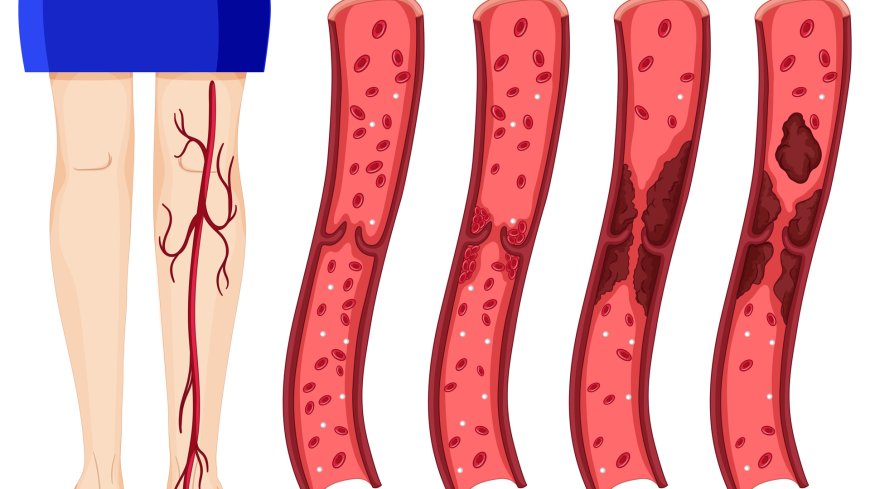
Deep Vein Thrombosis (DVT) is a condition where a blood clot forms in one of the deep veins of your body most commonly the legs. These clots can partially or completely block blood flow, causing pain, swelling, and more severe complications if not treated promptly.
Causes of Blood Clots in the Leg
Before we dive into the symptoms, its important to know what causes these clots to form in the first place. Here are a few common factors:
-
Long periods of immobility (flights, desk jobs, hospital stays)
-
Surgery, especially on the legs, hips, or abdomen
-
Pregnancy and postpartum changes
-
Obesity, which puts extra pressure on veins
-
Smoking, which damages the blood vessels
-
Certain medications, like birth control or hormone therapy
-
Genetic disorders that affect blood clotting
-
Cancer or chemotherapy treatments
Now, lets take a closer look at the symptoms what they feel like, what they mean, and when to seek help.
10 Common Blood Clot in Leg Symptoms and When to See a Doctor
Knowing the signs of a leg blood clot can help you seek medical care before it becomes dangerous. Here are the top 10 symptoms to watch out for:
1. Swelling in One Leg
This is often the first and most obvious sign. If one leg becomes noticeably larger or puffy compared to the other, it could be due to a clot blocking blood flow.
See a doctor immediately if swelling occurs suddenly or worsens over a short period.
2. Persistent Leg Pain or Cramping
Unlike regular cramps that go away with stretching or hydration, DVT-related pain tends to persist and worsen with activity.
Pain is usually felt in the calf, but can also affect the thigh or foot.
3. Warmth in the Skin
Does one part of your leg feel warmer to the touch than the rest? That could be the area around the clot. This warmth often comes with redness and swelling.
4. Red or Discolored Skin
A reddish, bluish, or even purplish tinge to your leg is another telltale sign. Sometimes the skin may also look glossy or shiny, especially in swollen areas.
5. Tenderness or Soreness
You might notice pain when pressing on your leg or standing for long periods. If the tenderness seems localized (like in the calf), get it checked.
6. Leg Fatigue or Heaviness
Some people with DVT report that their leg feels heavier than usual like it's harder to lift or move. This might come with a dull ache or overall discomfort.
7. Enlarged Surface Veins
While DVT forms in deep veins, it can cause visible veins on the surface to become more pronounced. They might look bulging, dark, or twisted.
8. Skin That Feels Tight or Stretched
Because of swelling, the skin around the clot may feel stretched or tight, especially behind the knee or along the calf.
9. Mild Fever
In some cases, DVT can cause a low-grade fever, chills, or general malaise. Its your bodys response to inflammation in the vein.
10. No Symptoms at All
Yes, some people have no visible symptoms until the clot breaks off and causes a pulmonary embolism. Thats why knowing your risk factors is crucial.
When to See a Doctor
Dont wait for all 10 symptoms to show up. Even just one or two signs, especially sudden swelling or pain, warrant a medical visit.
You should see a doctor immediately if:
-
You have unexplained leg swelling or pain
-
You notice changes in skin color or temperature
-
Youve recently had surgery, pregnancy, or long travel
-
You experience chest pain, shortness of breath, or rapid heartbeat (could be signs of a pulmonary embolism)
How Doctors Diagnose DVT
At a clinic or hospital, your doctor may perform the following tests:
-
Ultrasound Most common method to check for clot location and size
-
D-dimer test A blood test to detect clotting substances
-
Venography An X-ray using a special dye
-
MRI or CT scan To check for complications like PE
Early detection saves lives. Many DVT cases are treatable with medication and lifestyle changes.
Treatment Options
Depending on severity, your treatment may include:
? Anticoagulants (Blood Thinners)
Helps prevent the clot from growing and reduces the chance of new clots forming.
? Compression Stockings
Improves blood flow and reduces swelling or long-term pain.
? Thrombolytic Therapy
Used for severe cases these drugs dissolve clots quickly but come with higher risk.
? IVC Filters
Inserted in major veins to prevent clots from reaching the lungs, used when medications are not suitable.
How to Prevent Future Blood Clots
Once youve had a clot, your risk of developing another one increases. Heres how you can lower that risk:
-
Stay active: Walk regularly, stretch during long flights or desk work.
-
Stay hydrated: Dehydration thickens blood and raises clot risk.
-
Wear compression socks: Especially if youve had DVT before.
-
Quit smoking: Tobacco damages blood vessels and raises clotting risks.
-
Maintain a healthy weight: Obesity is a major contributor to DVT.
-
Manage underlying conditions: Like diabetes, high BP, or cholesterol.
Real-Life Case
Meena, a 42-year-old teacher from Pune, felt a strange cramp in her calf after returning from a 7-hour train journey. She dismissed it at first, but the swelling and warmth that followed made her visit a doctor just in time. An ultrasound confirmed DVT.
She was treated with blood thinners and now wears compression socks when traveling. Her story reminds us how important it is to listen to your body.
Conclusion
A leg blood clot might start silently, but the consequences can be severe. By understanding the 10 common blood clot in leg symptoms and when to see a doctor, youre already one step ahead in protecting your health.
The signs are often subtle a cramp here, a bit of swelling there but recognizing them early and acting fast can prevent serious complications like pulmonary embolism or long-term vein damage.