






















Will Gynecomastia Come Back After Surgery? How to Prevent It
Gynecomastia, or the enlargement of male breast tissue, is a condition that can significantly affect confidence and self-image.


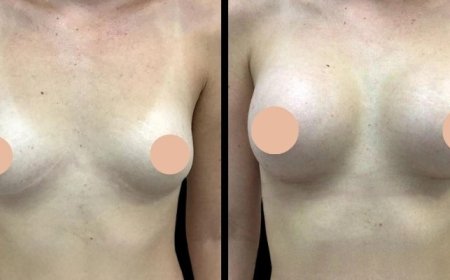
Gynecomastia, or the enlargement of male breast tissue, is a condition that can significantly affect confidence and self-image. While many turn to Gynecomastia Surgery in Islamabad to achieve a flatter, more masculine chest, one of the most common concerns among patients is whether the condition can return after surgery. The short answer is yes, recurrence is possible, but there are ways to minimize the risk and ensure lasting results.
This blog explores the chances of gynecomastia returning post-surgery, the causes behind recurrence, and practical strategies for prevention.
What Causes Gynecomastia in the First Place?
Understanding the root causes of gynecomastia is essential before exploring the likelihood of its return. The condition results from a hormonal imbalance between estrogen and testosterone. Some of the common triggers include:
-
Puberty-related hormonal changes
-
Obesity
-
Use of anabolic steroids or certain medications
-
Alcohol and drug abuse
-
Liver or thyroid disorders
-
Genetic predispositions
While gynecomastia may resolve on its own in some casesparticularly during adolescencesurgical intervention is often necessary for persistent or severe cases.
Does Gynecomastia Surgery Permanently Remove Breast Tissue?
Gynecomastia surgery is designed to permanently remove excess glandular breast tissue and, in many cases, fat through excision and/or liposuction. In most successful cases, the removed glandular tissue does not regenerate. However, the surrounding fat cells can increase in size, and new tissue can potentially develop under certain conditions.
Why Gynecomastia May Return After Surgery
Although true recurrence is rare when the surgery is performed correctly, there are several scenarios in which gynecomastia might come back:
1. Hormonal Imbalance Post-Surgery
If a patient experiences another episode of hormonal imbalance, such as due to age, medications, or endocrine disorders, it could lead to new breast tissue development.
2. Steroid or Drug Use
Using anabolic steroids, marijuana, or medications like anti-androgens or antidepressants post-surgery may stimulate breast tissue growth again.
3. Significant Weight Gain
Excess weight can lead to an increase in fat in the chest area. While this isn't gynecomastia (since it's not glandular tissue), it can mimic the appearance and cause aesthetic concerns.
4. Incomplete Gland Removal
In rare instances, a surgeon may leave behind residual glandular tissue, either intentionally (to maintain a natural contour) or unintentionally, which could potentially grow if exposed to hormonal changes.
5. Underlying Medical Conditions
Thyroid problems, liver diseases, or tumors can cause changes in hormone levels that may result in recurrence.
How to Prevent Gynecomastia from Returning
The good news is that recurrence can be minimized through lifestyle modifications, medical awareness, and appropriate follow-up. Here's how:
1. Maintain a Stable, Healthy Weight
Excess fat can lead to pseudo-gynecomastia, giving the chest a puffy appearance. A balanced diet and regular exercise will help you maintain a healthy physique and prevent fat accumulation in the chest.
2. Avoid Hormone-Altering Substances
Steer clear of anabolic steroids, marijuana, excessive alcohol, and certain medications known to affect hormone levels. Always consult your doctor before starting any new prescription drugs.
3. Get Regular Hormonal Checkups
Especially if your gynecomastia was hormone-related, routine hormone testing can catch any imbalance early and allow for timely treatment to avoid recurrence.
4. Choose a Skilled Surgeon
A key factor in long-term success is choosing a board-certified and experienced plastic surgeon. An expert will ensure that the glandular tissue is fully and properly removed, minimizing the risk of regrowth.
5. Follow Post-Operative Instructions Carefully
Adhering to your surgeons aftercare instructions, including wearing compression garments and avoiding intense workouts for a recommended period, can significantly impact recovery and the final outcome.
Signs That Your Gynecomastia Might Be Returning
Early identification of changes can help address the problem before it becomes severe. Here are signs to watch for:
-
Swelling or tenderness in the chest area
-
Enlargement of one or both breasts
-
Discomfort or pain in the nipple or chest
-
A feeling of firmness or a lump beneath the nipple
If you notice any of these symptoms after surgery, schedule a consultation with your surgeon or a healthcare provider to determine the cause.
Psychological Impact of Recurrence
The return of gynecomastia after surgery can be emotionally distressing, particularly for individuals who underwent surgery for confidence and mental well-being. Patients may feel frustrated or anxious about their appearance once again.
Fortunately, early detection and intervention can help manage or even reverse these changes before they become a major issue.
Are Revision Surgeries an Option?
Yes, if gynecomastia returns, revision surgery is often a viable solution. However, its essential to first determine the cause of the recurrence. If its due to residual glandular tissue, a secondary excision may be necessary. If fat accumulation is the issue, liposuction might suffice.
A consultation with a qualified plastic surgeon can provide clarity on whether revision surgery is right for you.
Patient Testimonials and Case Studies
Many patients who undergo gynecomastia surgery maintain their results for yearsif not permanentlyby following recommended guidelines. In clinical experience, true recurrences are uncommon when proper surgical techniques and post-operative care are in place.
If you're concerned about recurrence, speak openly with your surgeon before surgery. A reputable clinic will set realistic expectations and provide you with a long-term care plan to ensure satisfaction.
Conclusion: Stay Proactive to Stay Confident
While it is possible for gynecomastia to return after surgery, taking the right preventive steps and remaining informed can go a long way in maintaining your surgical results. From choosing the right surgeon to living a hormone-conscious lifestyle, you have control over many of the factors that influence recurrence.
If you're considering Gynecomastia Surgery in Islamabad or have concerns about recurrence after a previous surgery, its essential to consult with an experienced clinic that offers comprehensive support before and after the procedure.
For the highest standard of care and long-lasting results, trust the professionals at Dynamic Clinic. Their expert surgeons provide advanced surgical techniques and thorough follow-up care to help you enjoy the confidence that comes with a flatter, more masculine chestlong term.